
By AlonLearn Team
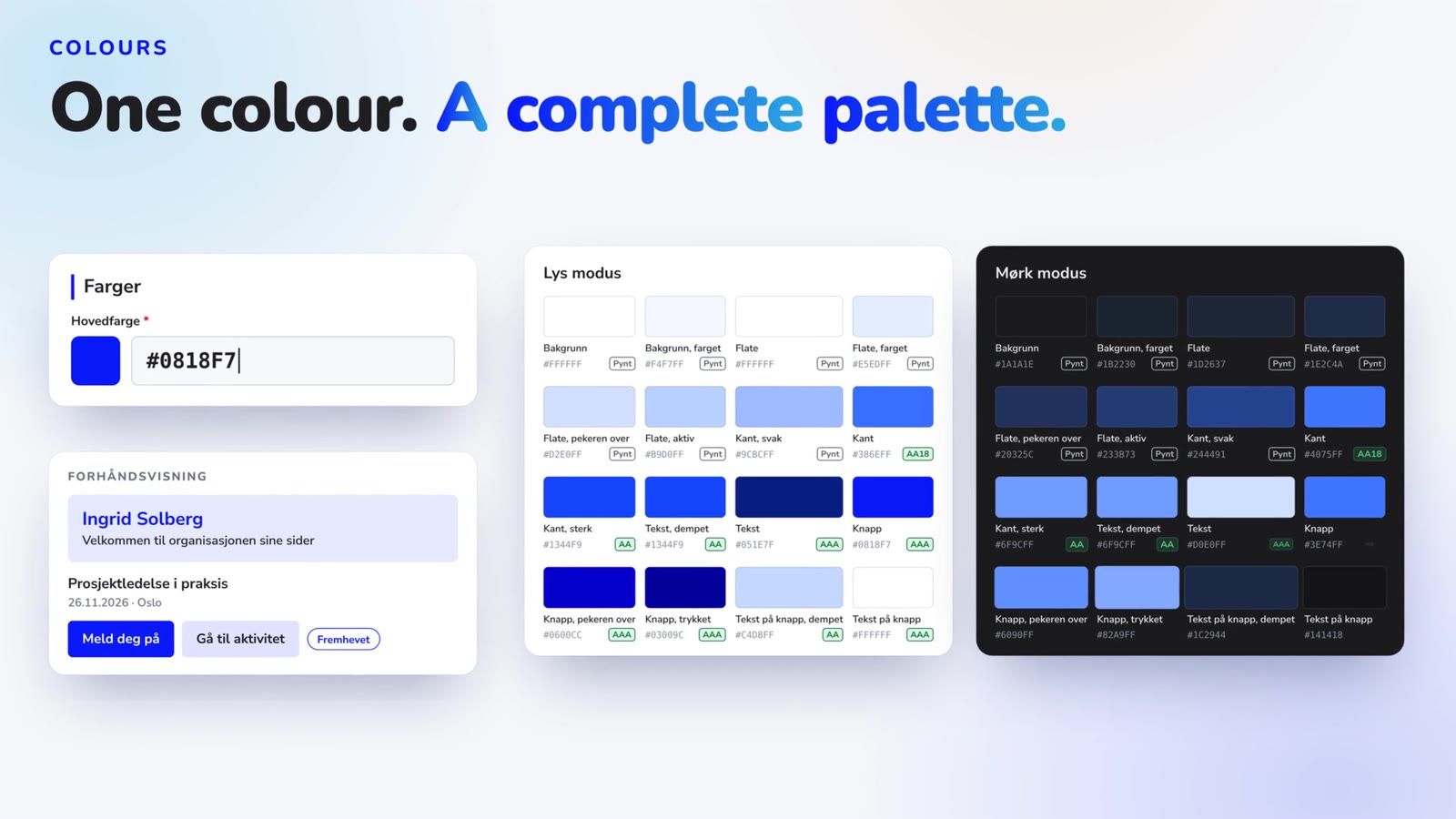
Make AlonLearn your own learning platform
From the end of November, you set your own logo, colours, login page and share image in AlonLearn. Here is a walk-through of the branding settings, one by one.
brandingdesign
Fredrick Falck Skogstad from Already On is this week’s guest on the podcast, where we dive straight into how AI is reshaping both the software industry and the way we work. Fredrick teaches AI courses and develops AlonSkills using vibe coding and precise prompt engineering. Rather than relying on a single model, he combines multiple AI tools for different tasks and connects them into structured workflows.

Also in the studio is Jens Christian Bang from Digitaliseringspådden. Together, we discuss why several major SaaS companies in the U.S. have recently seen significant stock declines. Is this a temporary market reaction, or a sign that AI is challenging the very foundation of the traditional SaaS model built on seat licenses and high margins?
Watch the full conversation here:
One of the most concrete examples discussed in the episode is the development of e-learning. Traditionally, producing digital courses has been a time-consuming process involving needs analysis, scripting, instructional design, content production, visual design, and technical setup—often spanning several months.
With AI, this process changes dramatically. Content can be structured, written, adapted to different target audiences, and translated within minutes. Learning objectives can be automatically broken down, quizzes and reflection tasks generated, and complete course flows assembled without traditional bottlenecks. The result is not only faster production, but also greater flexibility and the ability to continuously update content.
See a demo of the AI authoring tool here:
https://www.alonlearn.com/no/elearning
This illustrates a broader point from the conversation: when production time drops significantly, cost structures, required competencies, and business models are inevitably challenged.
We also review key product launches from recent weeks, including Claude Code, Coworker, and Open Claw. What do these tools actually mean for developers and companies building their own solutions?
Part of the discussion focuses on the Arena Leaderboard and which models are currently performing best across different categories:
Text
Code
Vision
Text to Image
Text to Video
Image to Video
Search
Image Edit
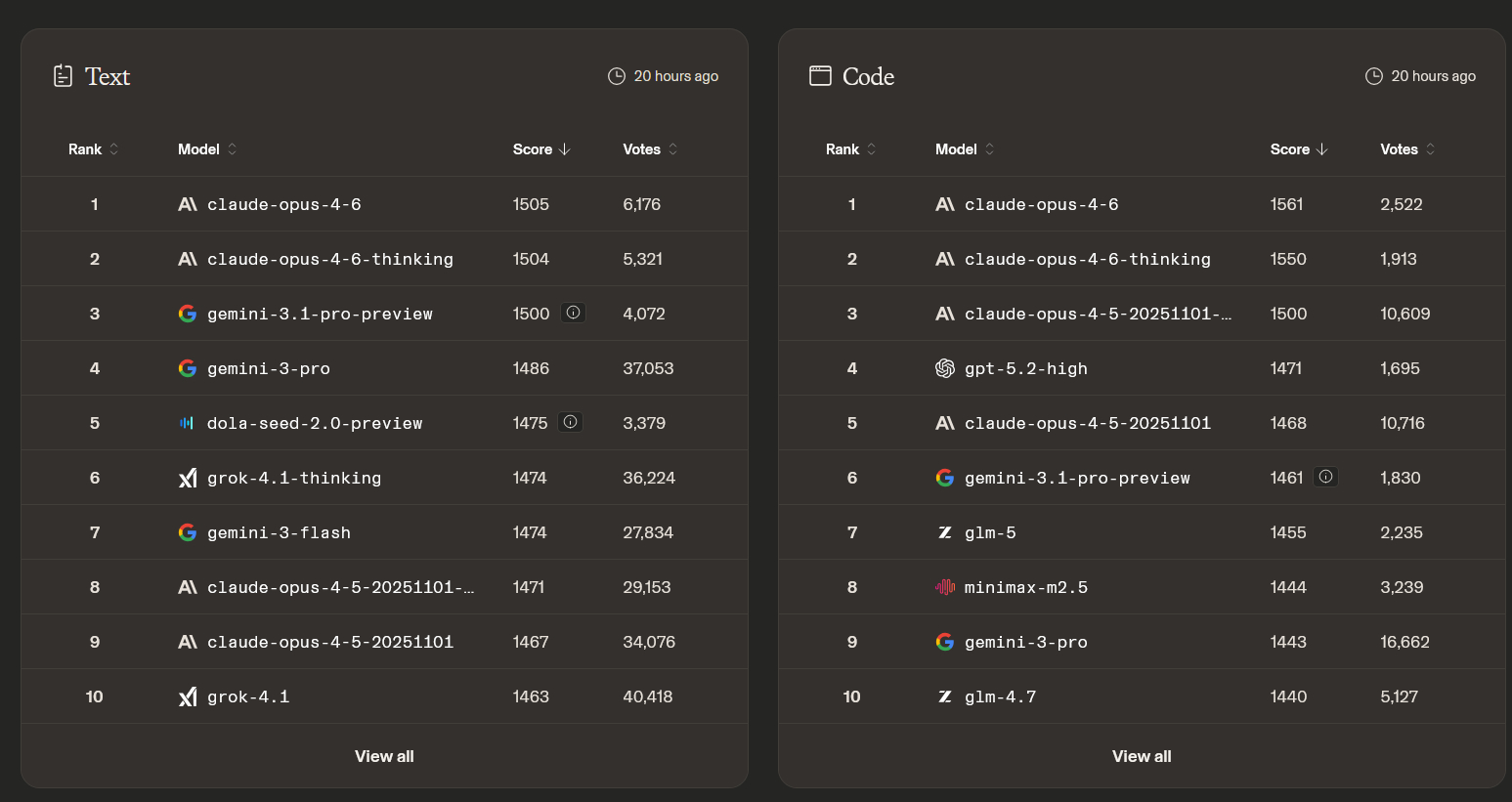
See the full leaderboard here:
https://arena.ai/leaderboard
Who leads in coding? Who performs best in multimodal tasks? And what does that mean for companies choosing their AI stack?
Finally, we look ahead at emerging trends: AI agents orchestrating workflows, new pricing models in software, and robots gradually moving from niche applications toward broader adoption.
The question is no longer whether AI will transform the industry—but how fast.

Watch the full episode in video format or listen via the audio player above.

Have questions about how AlonLearn can help your organization? We're here to help you find the best solution for your needs.
From the end of November, you set your own logo, colours, login page and share image in AlonLearn. Here is a walk-through of the branding settings, one by one.
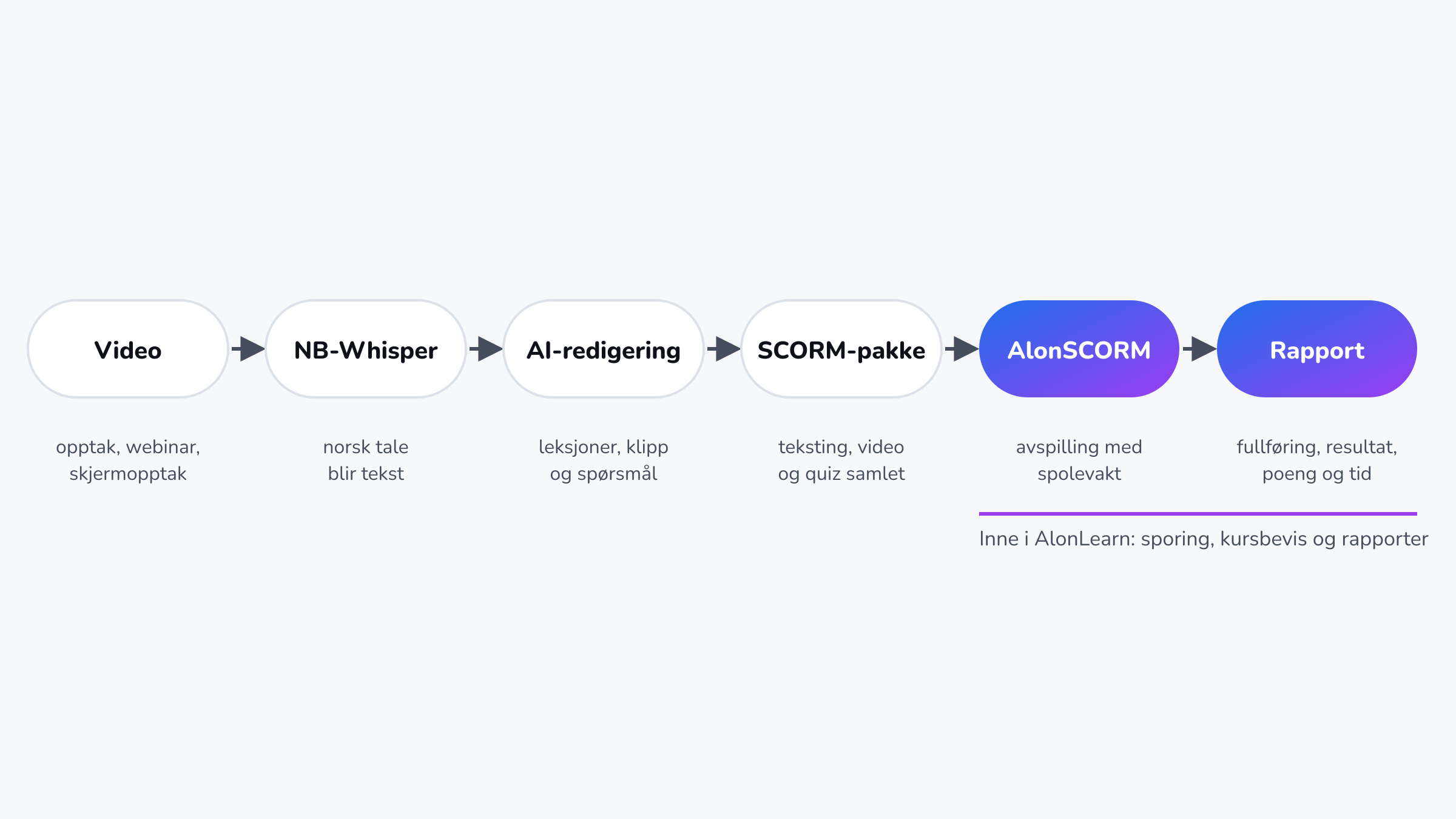
Webinars and recordings become e-learning with NB-Whisper and AI. The package goes straight into AlonSCORM, tracking completion, success, score and time.

Automated course administration means that registration, communication, payment processing, participant follow-up and reporting are handled automatically within one unified system. Instead of managing Excel spreadsheets, sending invoices manually from an accounting system and handling endless back-and-forth emails, the entire process is digitized, structured and streamlined.With AlonLearn, you get a complete solution that combines LMS functionality, course registration and invoicing in one platform. The result is better control, reduced manual workload and a more professional experience for both administrators and participants.
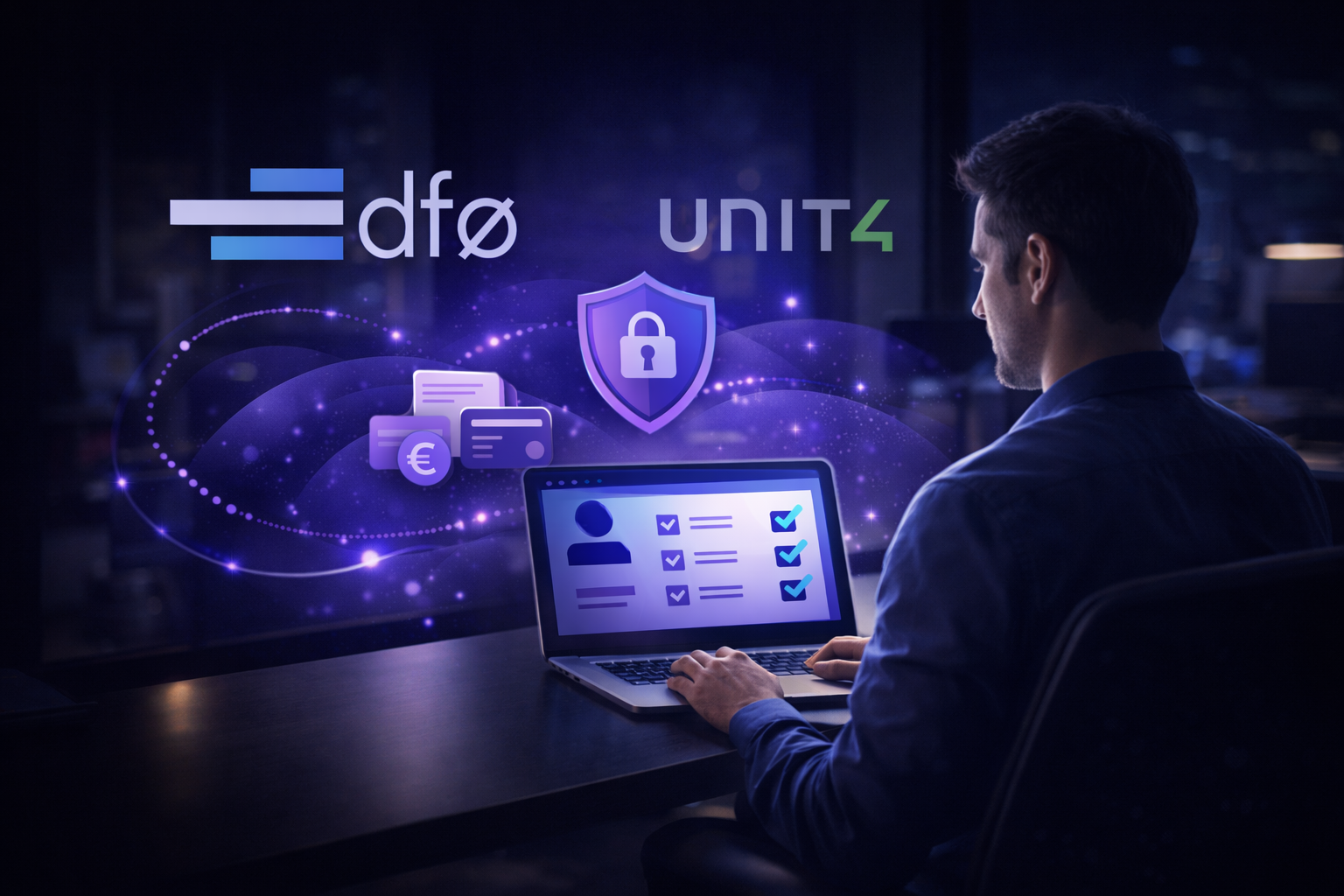
For government agencies using DFØ as their accounting service provider, integration with Unit4 ERP is not optional — it is a prerequisite. At the same time, modern solutions for e-learning, LMS platforms, and course registration systems require secure data exchange, automated invoicing, and full traceability.
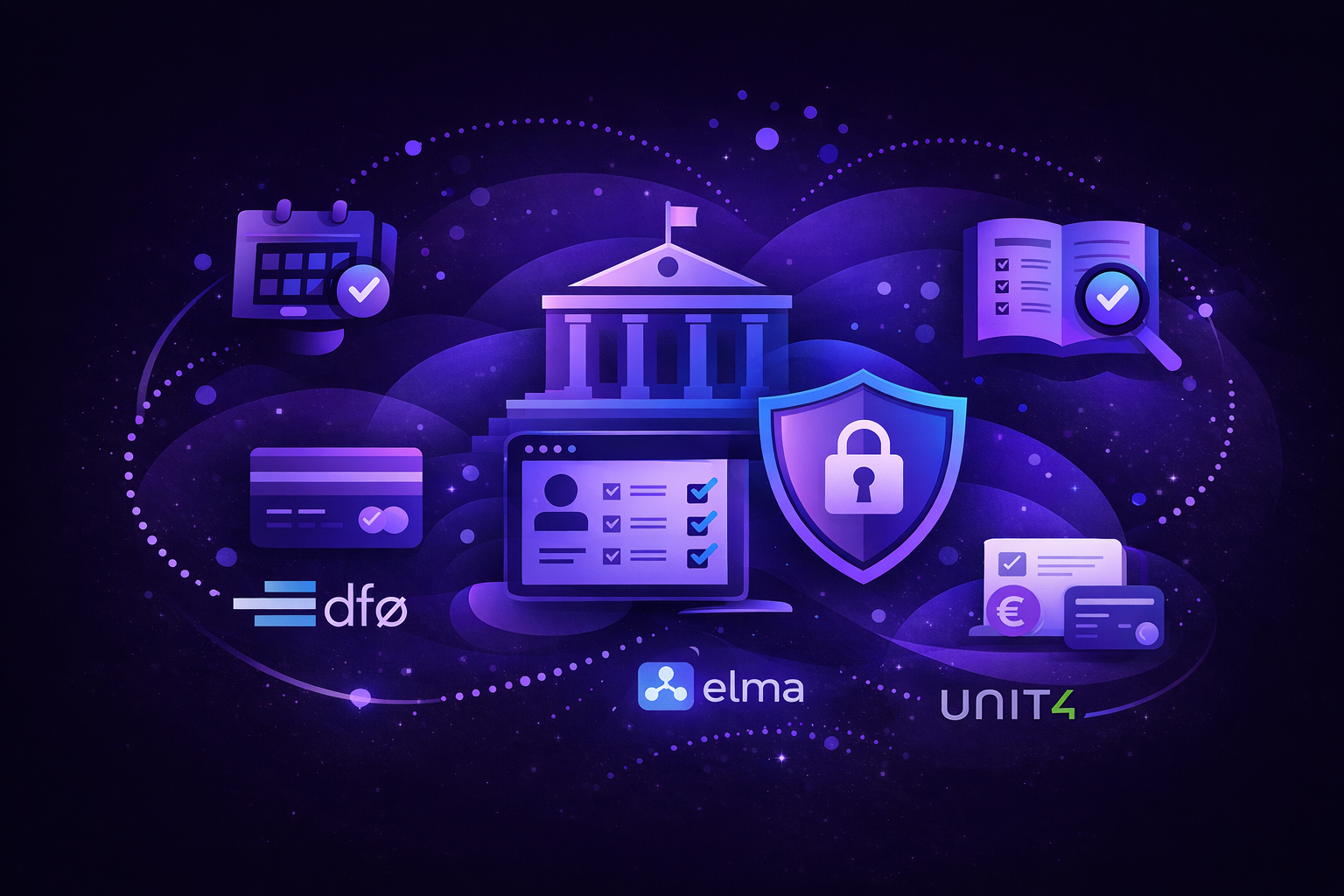
Many organizations operate with a separate LMS, a registration system, and often a standalone webinar solution. Individually, they work well. The challenge arises when public sector requirements demand that these systems operate seamlessly together.

What are LMS, LXP, LRS and authoring tools — and why are these building blocks important when working with digital learning?