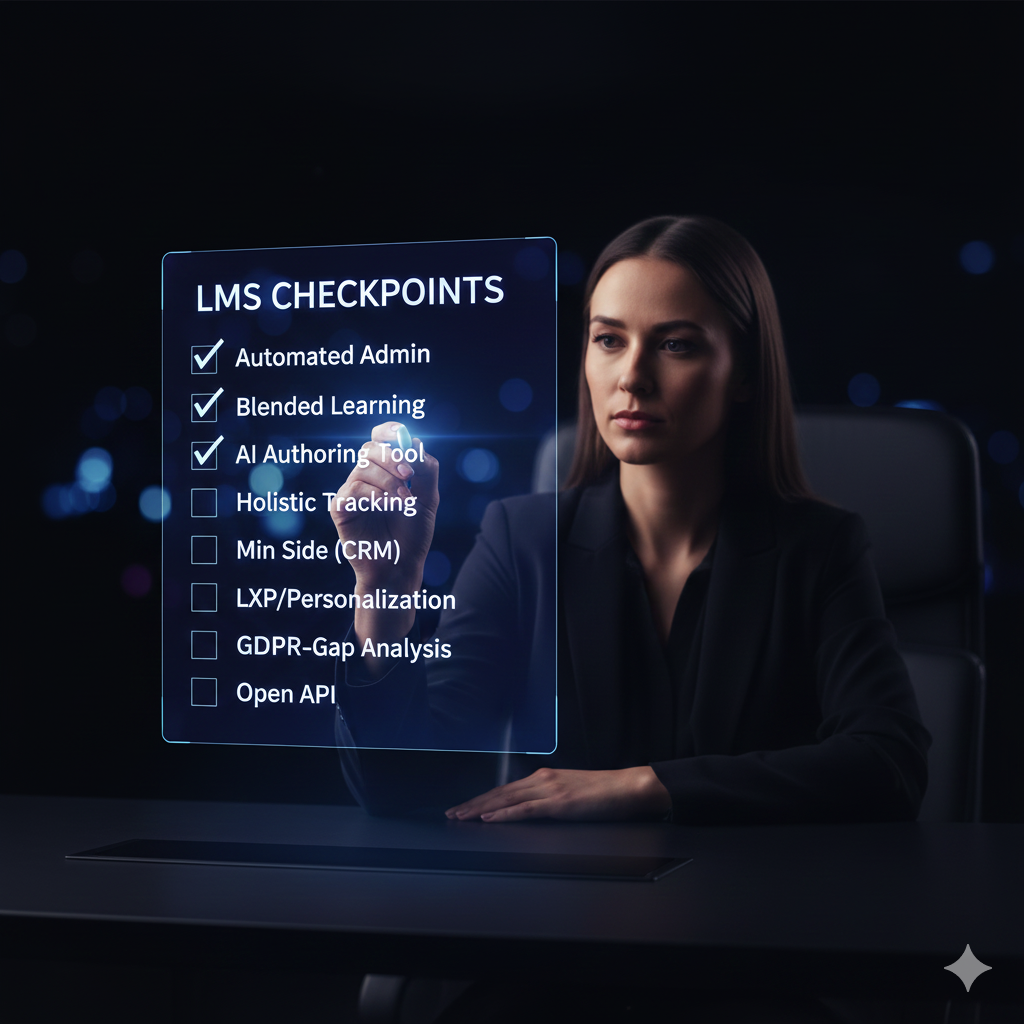
1. Automated Administration and Follow-up
An effective LMS should eliminate manual labor. This includes automatic enrollment of participants based on their role, as well as smart notifications and reminders via email or SMS as deadlines approach.
2. Blended Learning: Support for All Formats
A modern learning platform must act as a hub for all types of professional development: e-learning (SCORM/xAPI), live webinars, physical courses, seminars, videos, and podcasts.
3. AI-Powered Authoring Tool
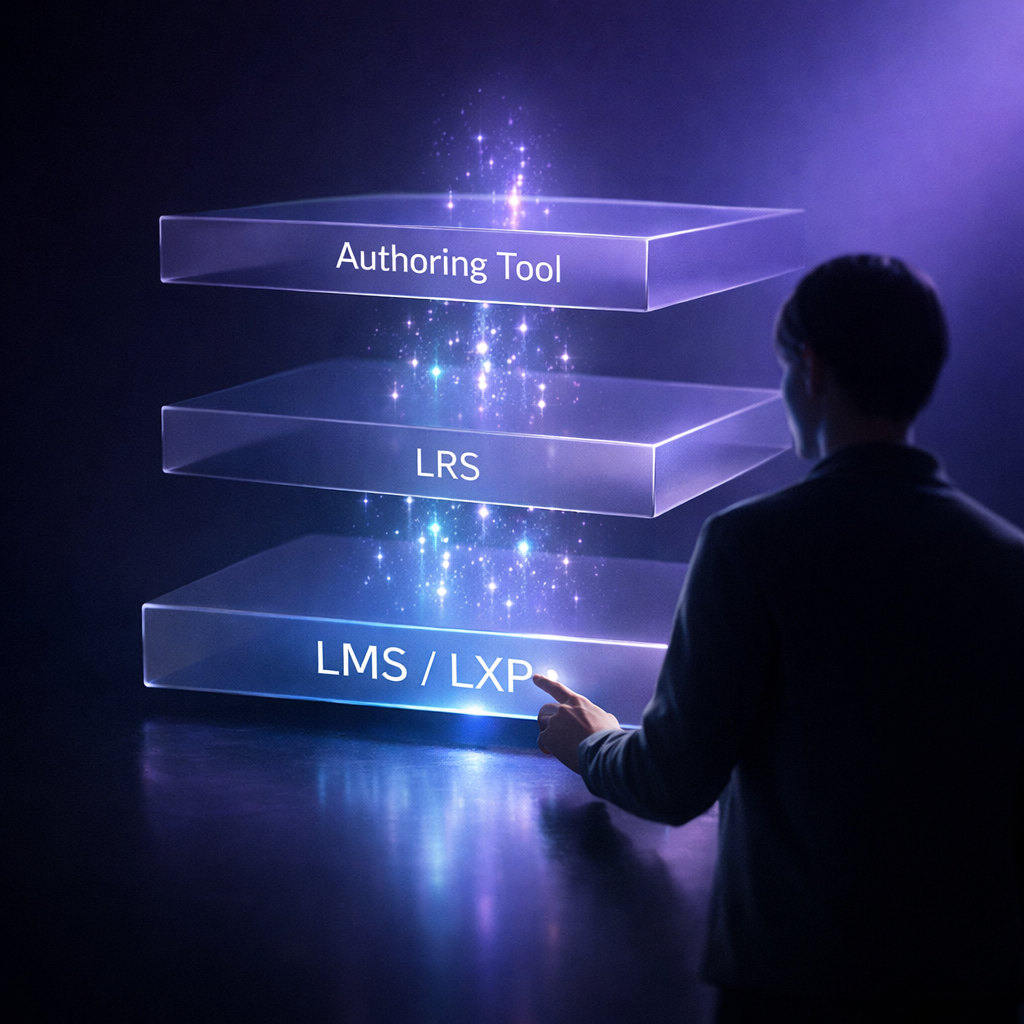
In 2026, it is no longer efficient to build courses manually from scratch. The platform should include a built-in authoring tool with AI that helps you design professional e-learning in minutes based on your own documents or prompts.
4. Comprehensive Tracking and Reporting
You need a full overview of both digital results and physical attendance. The system must track everything from completion rates in an e-learning course to attendance at seminars, providing documentation for compliance and certifications.
5. "My Page" with Integrated Participant Register (CRM)
For a personalized portal to function optimally, a robust participant register with CRM functionality is required. This allows you to:
Categorize participants into groups (e.g., department, region, or level).
Manage detailed access rights and permissions.
Empower local course administrators to create their own courses and manage their own staff directly in the system.
6. From LMS to LXP: A Personalized Experience
A modern platform should function as an LXP (Learning Experience Platform). This means the system goes beyond mere administration; it provides intelligent course recommendations based on the user's profile and suggests relevant learning paths to promote proactive development.
7. Integrated Invoicing and EHF Support
For courses with registration fees, an integrated invoicing module is essential. The system should support "employer pays" options with direct EHF (electronic) invoicing to minimize manual work for the finance department.
8. GDPR-First: Security and Privacy
Participant security must be a priority. A modern specification requires "Privacy by Design," secure storage within the EU/EEA, and tools to handle data deletion in accordance with regulations.
9. Competency Mapping and Gap Analysis
The platform should know why an employee needs training. By integrating functionality like AlonSkills, the system can measure skills against job requirements and automatically close the gap with targeted learning.
10. Open API for Seamless Integration
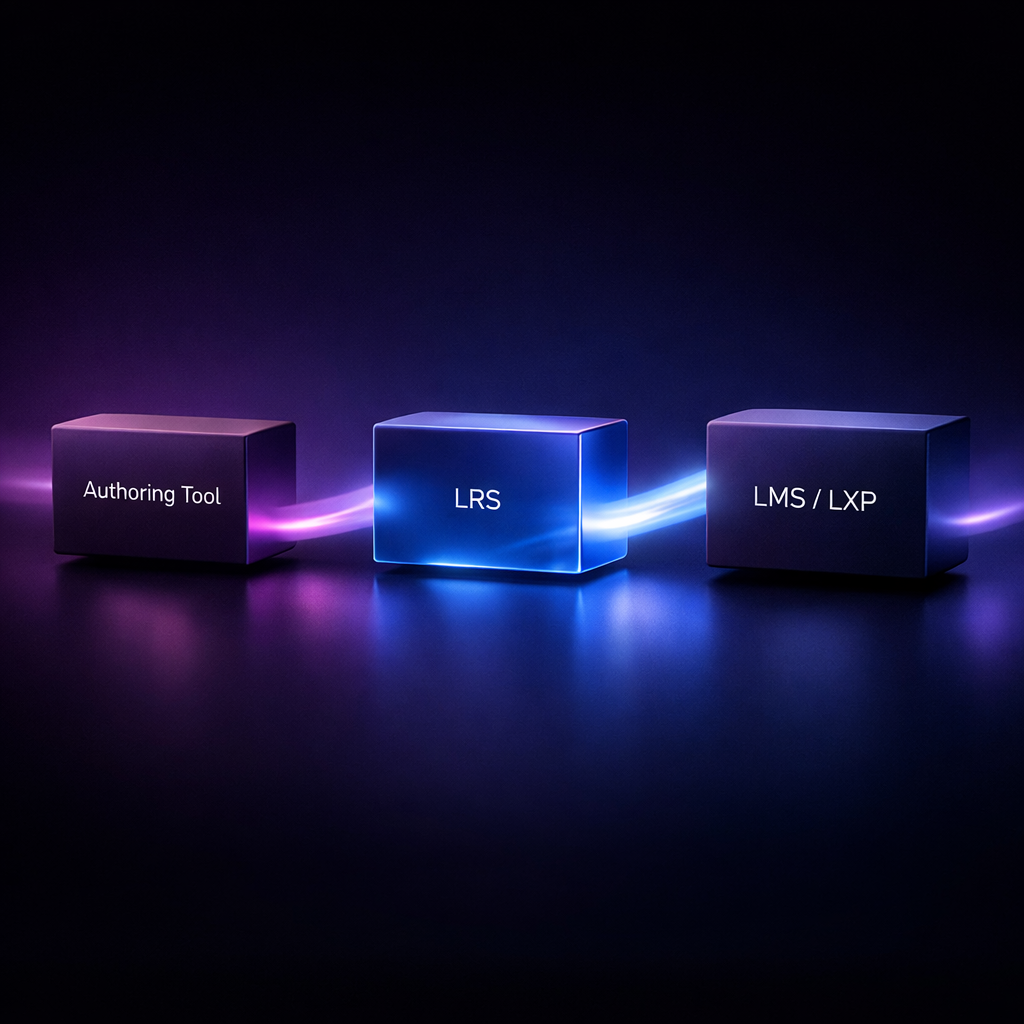
An LMS cannot be an isolated island. An open API is necessary to connect HR data, Active Directory (SSO), and future technologies like VR/AR for practical training.
Summary: We Help You Define Your Requirements
Choosing the right learning platform is a strategic decision. AlonLearn covers all these features and is designed to grow with your organization—from simple course administration to a full-scale LXP with AI support.
We have the expertise to understand your unique requirements and are happy to help you prioritize what to focus on based on your specific needs.
Contact us today for a talk about your next requirement specification!