eLearning in 2026: 5 Achievable Trends Revolutionizing Your Workplace
•By AlonLearn Team
Digital competence development is undergoing a massive shift, and in 2026, the line between traditional training and modern eLearning is blurring. For many, terms like "hyper-personalization" and "immersive technology" sound like expensive, high-tech solutions reserved for corporate giants. However, the reality is different. With the right tools, even small and medium-sized businesses can now implement advanced learning paths in a highly efficient and affordable way.
1. Hyper-Personalization with AI (Adaptive Learning)
In 2026, "one size fits all" in eLearning is history. Adaptive Learning ensures that content adjusts to each individual employee in real-time. Powered by AI, a course can now skip what the user already knows and instead focus on the areas where they actually need improvement.
This sounds complex, but it is now fully achievable. By using an AI-first authoring tool, such as the one found in AlonLearn, you can generate different versions of an eLearning course targeted at specific user groups in just minutes. The AI helps you structure the content so that every employee receives a personalized learning journey without you having to spend weeks on manual design.
2. Learning in the Flow of Work
The trend is moving away from employees having to "log out" of their daily lives to take a course. In 2026, eLearning happens where the employees already are—in Teams, Slack, or their CRM system.
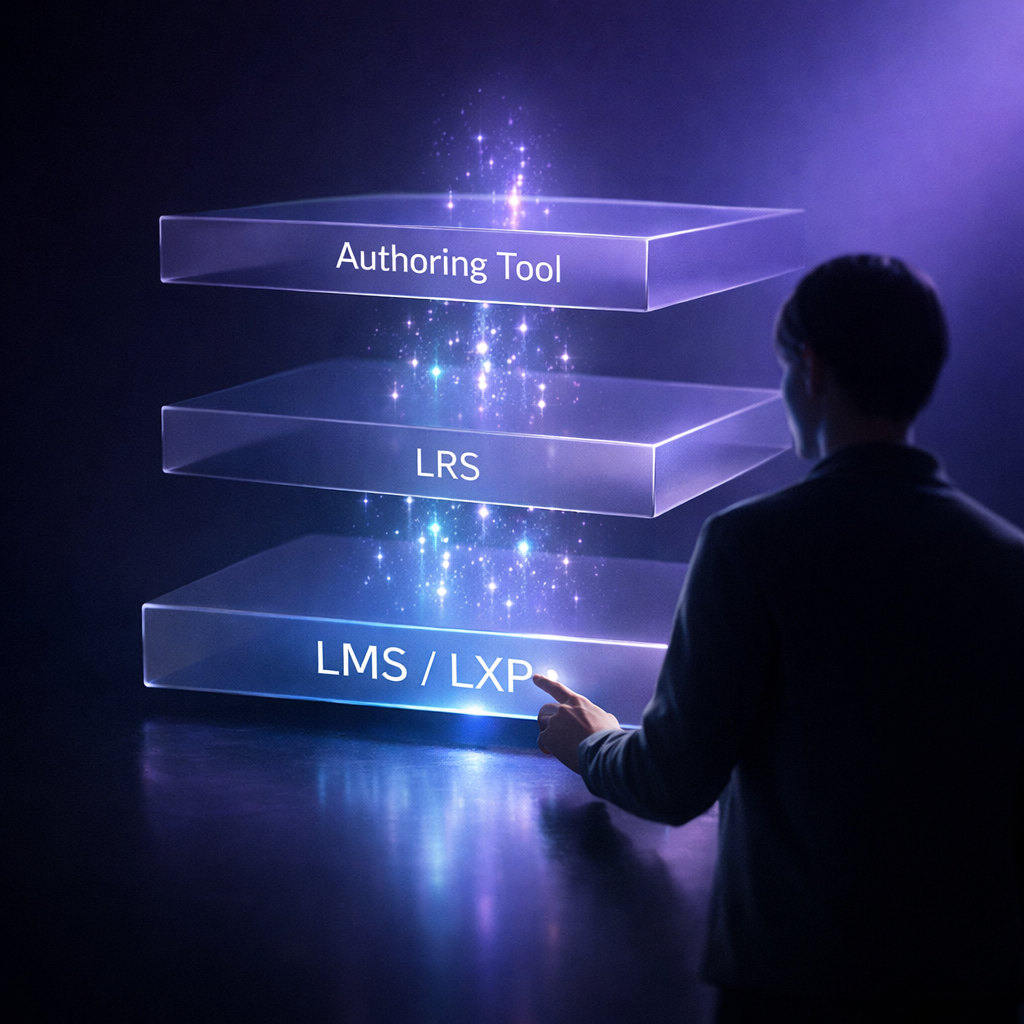
To succeed with this, you need a platform that functions more like an LXP (Learning Experience Platform) than a static LMS. In AlonLearn, the system is designed so that small "bites" of learning (microlearning) can be served exactly when the need arises. This makes learning relevant and less disruptive to the workday, significantly increasing completion rates.
3. Blended Learning: The Complete Package
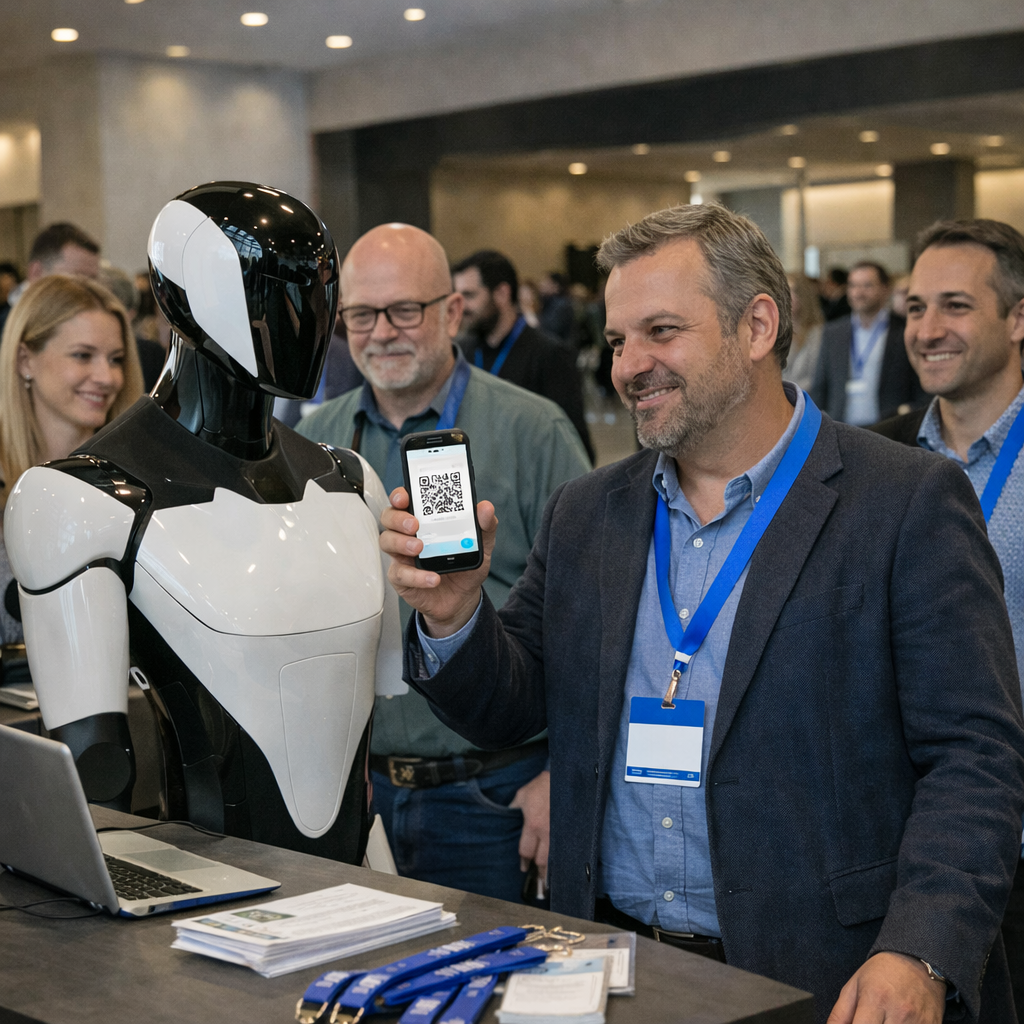
Even as we focus on digitalization, the strongest trend in 2026 is Blended Learning. This is the combination of eLearning, webinars, physical courses, and conferences. The challenge for many companies has been keeping track of these scattered activities manually.
The solution lies in gathering everything into a single learning path. In AlonLearn, you can stitch these various elements into a cohesive journey. Once the employee has completed all parts—from the digital module to the physical workshop—the system automatically generates a certificate. This provides a seamless experience for the user and full control for the administrator.
4. Skills-First Economy
We are seeing a clear shift toward a "Skills-First Economy," where companies focus on specific skills rather than just course attendance. The goal of eLearning in 2026 is to close documented competency gaps as precisely as possible.
This is where tools like AlonSkills come in as a discreet but powerful assistant. By analyzing exactly which skills each specific role requires, you can be much more targeted. Once the gap is identified, you can use AlonLearn to serve the exact content needed to bridge it. You have the flexibility to either develop your own courses lightning-fast with the AI authoring tool or purchase external content if that is more appropriate.
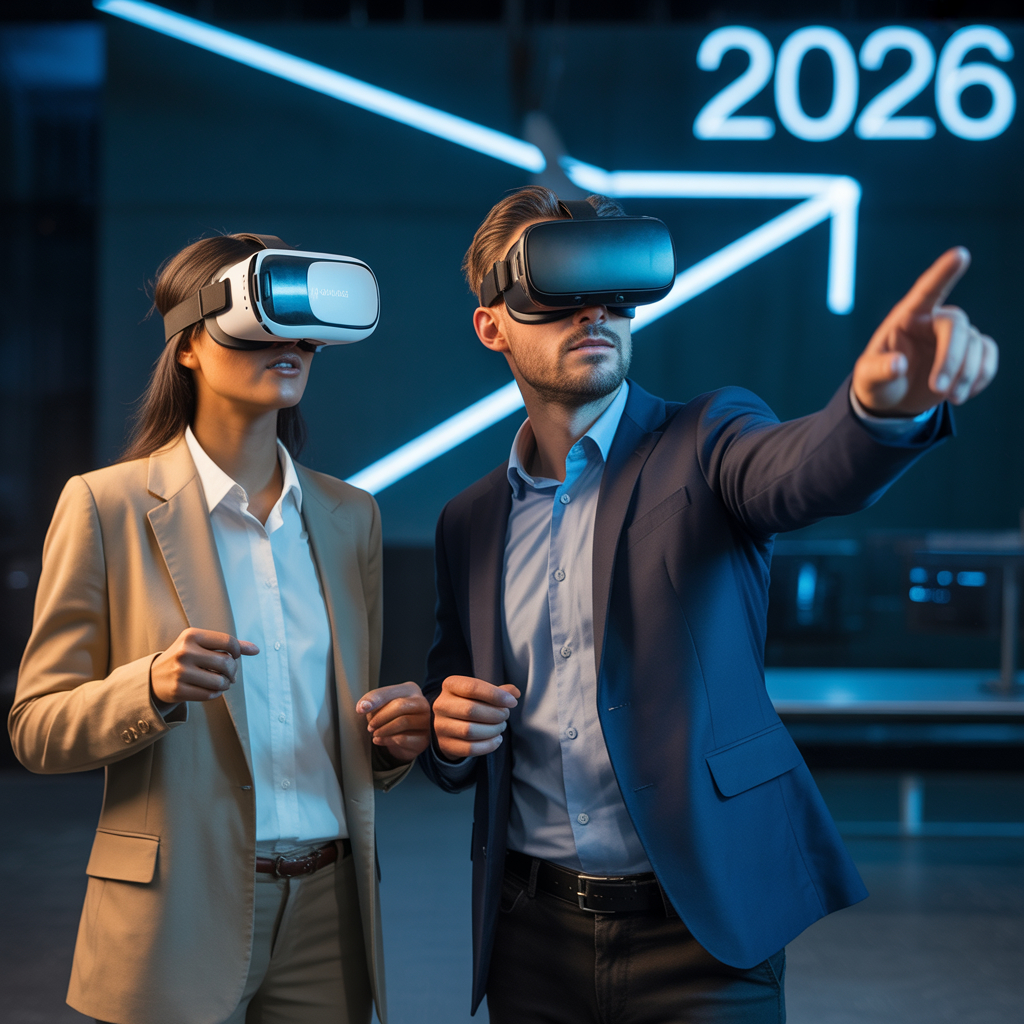
5. Immersive Learning Goes Mainstream (VR and AR)
Many still believe that VR and AR require massive investments and deep technical expertise. However, in 2026, immersive learning is becoming accessible to everyone through open integrations.
You don't need to build everything from scratch. Since AlonLearn is built as an open platform, it can easily integrate with existing VR and AR systems via its Public API. This means that practical training in virtual environments can become a natural part of the digital learning path in your LXP/LMS, with results automatically saved to the user's profile.
Would you like to see how easy it is to build your first "Blended" learning path in AlonLearn, or would you like to know more about how AlonSkills can map the skills in your organization?
Contact Us
Want to Learn More About AlonLearn?
Have questions about how AlonLearn can help your organization? We're here to help you find the best solution for your needs.